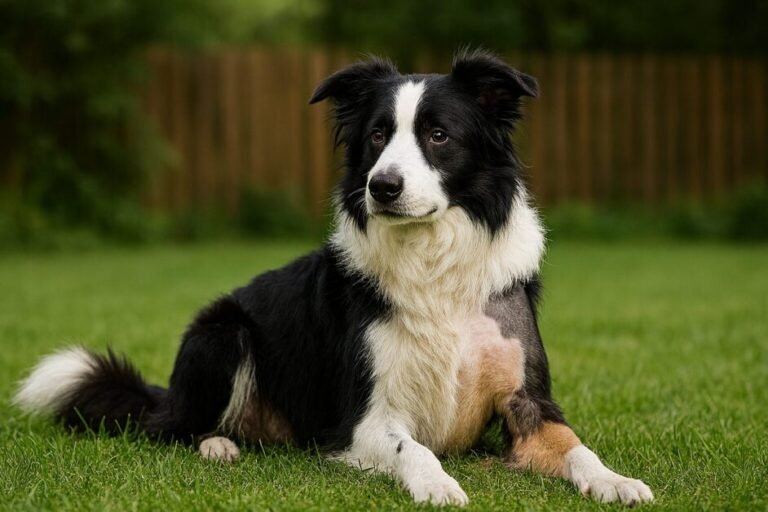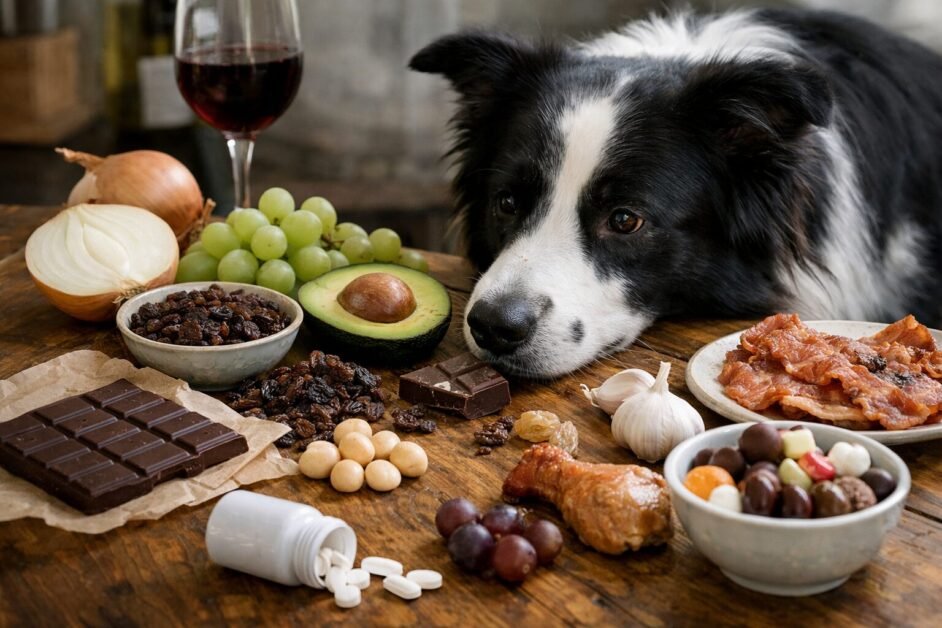
Foods Toxic to Dogs: The Top 7 Border Collie Danger Foods
Foods Toxic to Dogs Introduction
Knowing which foods toxic to dogs are hiding in your kitchen is one of the most important parts of being a great pet parent. It is no secret that Border Collies are some of the smartest, most energetic dogs on the planet—they can learn tricks in a heartbeat and love to stay active! But that high intelligence also means they are expert problem solvers who can easily figure out how to sneak snacks off the counter or nudge open a pantry door when you aren’t looking.
Because Border Collies are a medium-sized dog breed, their bodies react much faster to dangerous substances than a massive dog like a Mastiff would. A single accidental treat can quickly turn into a scary medical emergency. According to the ASPCA Animal Poison Control Center, thousands of pets accidentally ingest hazardous household items and human foods every single year.
To keep your brilliant pup safe and healthy, you need to know exactly what everyday foods pose a major risk to canine health. Let’s break down the top seven danger foods you should keep far out of reach from your furry best friend, starting with the absolute most dangerous ones.
The Breed Factor: Why Border Collies are at Risk
While any dog can accidentally eat something they shouldn’t, Border Collies face a unique set of risks because of their specific canine traits. Understanding your dog’s natural instincts is the first step in pet safety and avoiding foods toxic to dogs.
The Ultimate Problem Solvers
Border Collies are famous for being the most intelligent dog breed in the world. While this makes them amazing at agility courses, it also means they get bored easily and can figure out how to bypass childproof locks, slide open pantry doors, or unzip backpacks left on the floor.
The “Counter-Surfing” Athlete
Thanks to their athletic, medium-sized builds, a adult Border Collie can easily jump up to grab a stick of butter or a plate of cookies right off the kitchen counter in a split second.
Size vs. Toxicity Dosage
Because a typical Border Collie weighs between 30 to 55 pounds, they don’t have the body mass to dilute harmful toxins the way a giant breed like a Great Dane might. A small dose of a dangerous food can impact their central nervous system or organs much faster.
According to a study published by the National Center for Biotechnology Information (NCBI), household food toxicities are among the most common reasons pet owners have to make emergency visits to veterinary clinics. Because your dog has the brains and the agility to get into hidden spaces, keeping a dog-proof kitchen is absolutely essential.
The Top 7 Border Collie Danger Foods Toxic to Dogs
The Heavy Hitters: Xylitol, Grapes, and Raisins
Now that we know why our clever herding dogs are uniquely at risk, let’s jump into the specific items you need to lock away. The first two food items on our list are absolute zero-tolerance dangers—even a tiny amount can be incredibly hazardous to your dog’s health.
1. Xylitol (Birch Sugar / Artificial Sweetener)
Xylitol is a sugar substitute used in tons of household items, including sugar-free chewing gum, mints, certain brands of peanut butter, chewable vitamins, and toothpaste. While it is perfectly safe for humans, it is a nightmare for a dog’s digestive and endocrine systems.
The Danger: When a dog eats xylitol, their body mistakes it for real sugar and releases a massive surge of insulin. This causes a rapid, life-threatening drop in blood sugar (hypoglycemia) and can lead to irreversible liver failure within days.
The Border Collie Risk: Border Collies are total puzzle-toy fanatics, and many owners love to stuff KONG toys with peanut butter to keep them busy. You must always check the ingredient label on the back of the jar to ensure xylitol isn’t hiding in there.
What to Watch For: According to the Pet Poison Helpline, the earliest signs of xylitol poisoning include vomiting, weakness, a loss of coordination, and lethargy, which can quickly progress to dangerous seizures.
2. Grapes and Raisins
Whether they are fresh off the vine, baked into cookies, or dried in boxes, grapes and raisins are incredibly dangerous for dogs.
The Danger: Veterinary scientists have discovered that the tartaric acid in grapes is likely what makes them so toxic. Because dogs cannot process this compound, eating even a small number of grapes or raisins can cause sudden, acute kidney failure.
The Border Collie Risk: Think about a fun day out hiking or training in the yard. If you bring a bag of trail mix or a box of raisins for a quick snack, a focused Border Collie can track that scent down and tear through your backpack in a second.
What to Watch For: Unlike some other toxicities where a larger dog can handle a slightly bigger dose, there is no known “safe” amount for grapes. Early signs of trouble include vomiting within a few hours, followed by extreme thirst, increased urination, or a total loss of appetite as the kidneys begin to struggle.
The Energy Crashers: Chocolate and Caffeine
Our next two danger foods toxic to dogs are stimulants that humans love for an energy boost, but they have the exact opposite effect on a dog’s body, sending their internal systems into dangerous overdrive.
3. Chocolate (Especially Dark and Cocoa Powder)
Chocolate is probably the most well-known item on the list of foods toxic to dogs, but many people don’t realize exactly why it’s so dangerous.
The Danger: Chocolate contains a chemical compound called theobromine, alongside caffeine. Humans can process these stimulants easily, but dogs digest them incredibly slowly, allowing them to build up to toxic levels. According to the American Veterinary Medical Association (AVMA), the darker and more bitter the chocolate is (like baking chocolate or pure cocoa powder), the higher the concentration of theobromine and the more dangerous it becomes.
The Border Collie Risk: Border Collies have exceptional noses. If you keep baking supplies on a lower pantry shelf or leave a chocolate bar in a purse on the kitchen chair, a bored or curious Collie can track it down and tear the packaging apart in minutes.
What to Watch For: Ingestion can lead to severe gastrointestinal issues like vomiting and diarrhea, but because it acts as a stimulant, it quickly progresses to hyperactivity, muscle tremors, a dangerously racing heart rate, and seizures.
4. Caffeine (Coffee Grounds, Tea Bags, Energy Drinks)
Because caffeine is a close cousin to theobromine, it presents an equally severe threat to canine health.
The Danger: A small sip of spilled coffee won’t usually hurt a medium-sized dog, but consuming concentrated caffeine sources—like dry coffee beans, coffee grounds from the trash, tea bags, or caffeine pills—is a massive emergency.
The Border Collie Risk: Border Collies are naturally “wired” dogs with boundless energy. When caffeine introduces a foreign, extreme stimulant to their central nervous system, their bodies simply cannot handle it. Furthermore, their high intelligence means they love to explore the kitchen trash can if it isn’t securely locked down, putting discarded coffee filters and grounds right in their path.
What to Watch For: Similar to chocolate poisoning, a dog suffering from a caffeine overdose will show signs of extreme restlessness, rapid breathing, severe heart palpitations, and muscle spasms.
Hidden Hazards: Onions, Garlic, Nuts, and Raw Dough
The final three items on our danger list of foods toxic to dogs might surprise you. They are common ingredients in everyday cooking, but they can cause serious internal damage to your dog that isn’t always obvious right away.
5. Onions, Garlic, and Chives (The Allium Family)
Whether they are raw, cooked, dehydrated, or ground up into a powder, every single plant in the allium family is highly toxic to dogs.
The Danger: These vegetables contain compounds called thiosulfates. While humans digest them easily, they cause oxidative damage to a dog’s red blood cells. This causes the cells to rupture, leading to a dangerous condition called hemolytic anemia (where the body doesn’t have enough healthy red blood cells to carry oxygen).
The Border Collie Risk: Think about a delicious pasta sauce or a plate of leftover taco meat sitting on the counter. Because Border Collies are total opportunists, they won’t hesitate to lick a pan clean, unaware that the garlic powder or minced onions inside are actively hurting them.
What to Watch For: According to the VCA Animal Hospitals guide on onion toxicity, signs of anemia don’t show up instantly. It can take three to five days after your dog eats them to notice symptoms like pale gums, dark orange or reddish urine, extreme lethargy, and weakness.
6. Macadamia Nuts
While many nuts (like plain peanuts) are safe for dogs in small amounts, macadamia nuts are a complete exception and should never be shared.
The Danger: The exact toxin inside macadamia nuts is still a bit of a medical mystery, but the effects are very real. Eating just a few of these nuts can severely affect a dog’s nervous and muscular systems.
The Border Collie Risk: Macadamia nuts are frequently paired with white chocolate in gourmet cookies. A clever Border Collie who sniffs out a cookie wrapper in a backpack or a plate left on a coffee table can ingest a double-dose of danger (both chocolate and toxic nuts) in a single bite.
What to Watch For: Within 12 hours, dogs will exhibit weakness, particularly a temporary paralysis in their hind legs. You might also notice muscle tremors, vomiting, and a high body temperature (hyperthermia).
7. Alcohol and Raw Yeast Dough
If you love baking homemade bread or hosting family gatherings, you need to keep a very close eye on your kitchen workspace.
The Danger: When a dog eats raw bread dough containing live yeast, two dangerous things happen at once. First, the warm environment of the dog’s stomach causes the yeast to rapidly expand, stretching their stomach to a painful and dangerous degree. Second, as the yeast ferments, it produces alcohol, which is quickly absorbed into the dog’s bloodstream, causing acute alcohol poisoning.
The Border Collie Risk: Raw dough needs time to sit out on the counter to rise under a towel. Because Border Collies are excellent at jumping and investigating new things at eye level, an unprotected bowl of rising dough is an easy target for a quick counter-surf.
What to Watch For: The expanding dough causes severe bloating, dry heaving, and intense abdominal pain. The resulting alcohol poisoning leads to a dangerous drop in blood pressure, body temperature, and blood sugar, which requires immediate veterinary intervention.
What to Do in an Emergency: Fast Action Steps
Even if you are the most careful pet parent in the world trying to avoid foods toxic to dogs, accidents can still happen. Because Border Collies have such fast metabolisms, knowing exactly how to react in a split second can make a massive difference in their recovery. If you catch your clever pup eating something they shouldn’t, follow these steps immediately:
Step 1: Do Not Wait for Symptoms
This is the most critical rule of pet safety. Many toxins—like the ones found in grapes or onions—take hours or even days to show their dangerous effects. By the time your dog starts acting sick, the poison has already been absorbed into their organs.
Step 2: Collect the Evidence:
Quickly figure out exactly what your dog ate, how much they consumed, and roughly what time it happened. If they tore open a package, grab the wrapper or the box! The ingredient list and the weight of the product will help a veterinarian calculate the exact toxicity level for your dog’s weight.
Step 3: Call the Experts Right Away:
Do not try to force your dog to throw up unless a professional explicitly tells you to do so, as inducing vomiting can sometimes cause even more damage to their esophagus. Instead, immediately call your local emergency vet clinic or a dedicated pet hotline.
For 24/7 assistance, you can reach out to the ASPCA Animal Poison Control Center at (888) 426-4435 or the Pet Poison Helpline at (855) 764-7661 (note that a consultation fee may apply for these hotlines, but it is entirely worth it for expert guidance).
Conclusion: Protecting Your Clever Companion
At the end of the day, owning a Border Collie is a wonderful adventure. Their incredible intelligence and high energy make them amazing family members, but it also means we have to be one step ahead of them when it comes to dog safety. By keeping these foods toxic to dogs completely out of reach, checking peanut butter labels, and securing your kitchen trash cans, you can ensure your furry best friend stays happy, healthy, and safe.
Bookmark this guide of foods toxic to dogs, share it with your dog sitters, and keep your kitchen a safe zone for your pup!
Next check out the social side of Border Collies: Do They get lonely?
Quick Reference: Border Collie Danger Foods
| Food Item | Primary Danger / Medical Impact | Immediate Action Needed? |
|---|---|---|
| Xylitol | Rapid drop in blood sugar & liver failure | Yes — Life-threatening emergency |
| Grapes & Raisins | Sudden, acute kidney failure | Yes — Zero-tolerance emergency |
| Chocolate | Heart issues, muscle tremors, seizures | Yes — Call vet with chocolate type/amount |
| Caffeine | Extreme nervous system & cardiac overload | Yes — Highly dangerous in concentrated forms |
| Onions & Garlic | Destroys red blood cells (anemia) | Yes — Contact vet; symptoms delay 3-5 days |
| Macadamia Nuts | Temporary hind-leg paralysis & tremors | Yes — Call vet immediately |
| Yeast Dough | Stomach rupture & alcohol poisoning | Yes — Requires rapid veterinary care |
Frequently Asked Questions (FAQ)
Q. Is milk chocolate as dangerous as dark chocolate?
A. Milk chocolate contains a much lower concentration of theobromine than dark chocolate or cocoa powder, meaning it is less toxic per ounce. However, it can still cause severe stomach upset, pancreatitis, and toxicity if a Border Collie eats a large amount (like an entire bag of chocolate candy).
Q. Can dogs eat cooked onions or garlic if they are mixed into food?
A. No. Cooking, baking, or dehydrating onions and garlic does not destroy the thiosulfates that cause damage to a dog's red blood cells. Leftover table scraps containing onion or garlic powder are just as dangerous as raw vegetables.
Q. What should I do if my Border Collie eats a toxic food but seems completely fine?
A. You should still contact a veterinarian or a pet poison hotline immediately. Many dangerous substances, including grapes and onions, do not show outward symptoms for hours or even days. Waiting until your dog looks sick can dramatically reduce their chances of a safe recovery.