When Do Border Collie Ears Stand Up? (And Why Some Never Do)
Border Collie ears are famous for their expressive, unpredictable, and sometimes comical range of positions. If you are a new owner staring at your puppy’s floppy ears and wondering if they will ever pop up, you aren’t alone; “ear anxiety” is a rite of passage for almost every Border Collie parent.
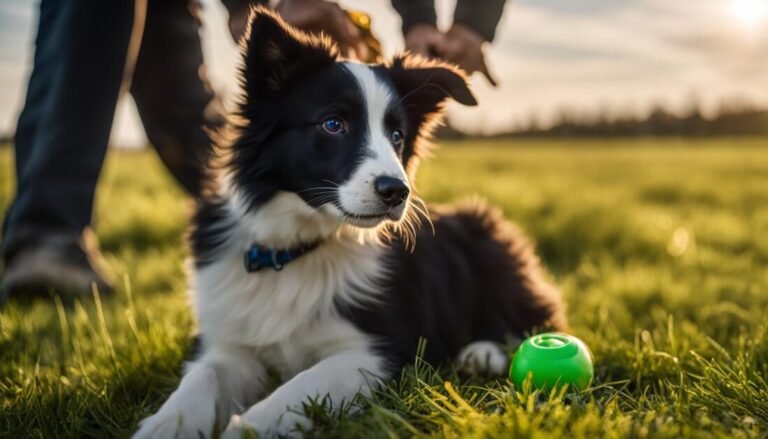
One day they are down, the next day one is up, and a week later they might both be tipped forward. Unlike breeds with strict conformation rules like the German Shepherd, the American Kennel Club (AKC) breed standard for Border Collies allows for a wide variety of ear carriages, including fully erect, semi-erect (tipped), and even varying degrees in between.
While genetics play the biggest role, your puppy’s development—specifically teething—also has a surprising impact on whether those Border Collie ears will stand tall or stay floppy. In this guide, we will walk through the typical timeline for ear development, why the “teething dance” causes them to flop unexpectedly, and how to identify what kind of ears your dog will likely have for life.
The General Timeline: When Do Border Collie Ears Stand Up?
While every dog is an individual, Border Collies tend to follow a specific “ear trajectory” that aligns with their physical growth. Understanding this timeline can help you manage your expectations (and your patience).
The Early Weeks (0–8 Weeks): When puppies are born, their ear cartilage is soft and pliable, meaning their ears are sealed shut and flat against their heads. As they open and hearing develops, the ears remain largely floppy. If you are picking your puppy up from a breeder at 8 weeks, you will likely see what are called “button ears”—folded over to cover the ear canal—or completely drop ears.
The “Pop” Phase (8–12 Weeks): This is often when the first signs of lift appear. You might notice the base of the ear becoming stiffer, causing the ears to lift slightly away from the head or perk up like “airplane wings” to the side. Some early bloomers may even have fully pricked ears by this stage, though don’t get too attached to the look just yet!
The Volatile Stage (3–6 Months): Welcome to the roller coaster. As your puppy enters the teething phase, their body prioritizes sending calcium to the jaw for new teeth rather than the ear cartilage. This often results in the famous “wonky ear” phase where one ear stands while the other flops, or both droop suddenly after weeks of standing.
The Final Set (6–8 Months): Generally, once the adult permanent teeth are fully settled—usually around the 7 or 8-month mark—the ear carriage is permanent. If your Border Collie’s ears are still fully soft and down at 8 months, they will likely remain drop ears for life.
The “Teething Dance”: Why Ears Go Up and Down
If you thought your puppy’s ears were settled at 12 weeks, you might be in for a surprise. One of the most confusing phases for Border Collie owners is the “Teething Dance”—a period where your puppy’s ears might stand up one day, flop the next, or even alternate with one up and one down.
The Calcium Connection
This phenomenon is almost entirely due to teething. As your puppy begins to lose their milk teeth (usually around 3 to 4 months of age), their body undergoes a massive demand for calcium to form their new, permanent adult teeth.
Biologically, the body prioritizes essential structures (teeth and bones) over non-essential ones (ear cartilage). According to Dr. Chris Brown, the calcium that was previously hardening the ear cartilage is temporarily “borrowed” or diverted to help form the teeth. This causes the cartilage to soften, leading to sudden droopy ears even in puppies that previously had pricked ears.
Don’t Panic (And Don’t Over-Supplement)
It can be tempting to rush out and buy calcium supplements to “fix” the ears, but this is generally discouraged by veterinarians. Excess calcium in large breed puppies or active breeds can lead to serious orthopedic issues.
Instead, focus on providing appropriate chew toys that help strengthen the jaw muscles. As the teething phase concludes (typically around 6 to 7 months), the calcium levels normalize, and the cartilage hardens again—often returning the ears to their standing position if genetics allow.
Understanding the “Correct” Border Collie Ear
When asking what the “correct” ear set is for a Border Collie, the answer depends entirely on whether your dog is destined for the show ring or the sheep pasture. Unlike breeds such as Dobermans or West Highland Terriers, which have very rigid expectations for ear carriage, the Border Collie is unique in its variety.
The Different Types of Ear Sets You will typically see three main categories of ear carriage in the breed:
Pricked (Erect): The ears stand fully upright, resembling a German Shepherd. These are often affectionately called “radar ears” and give the dog an intense, alert expression.
Semi-Erect (Tipped): This is the most iconic Border Collie look. The base of the ear stands up, but the top 1/4 to 1/3 folds forward or to the side.
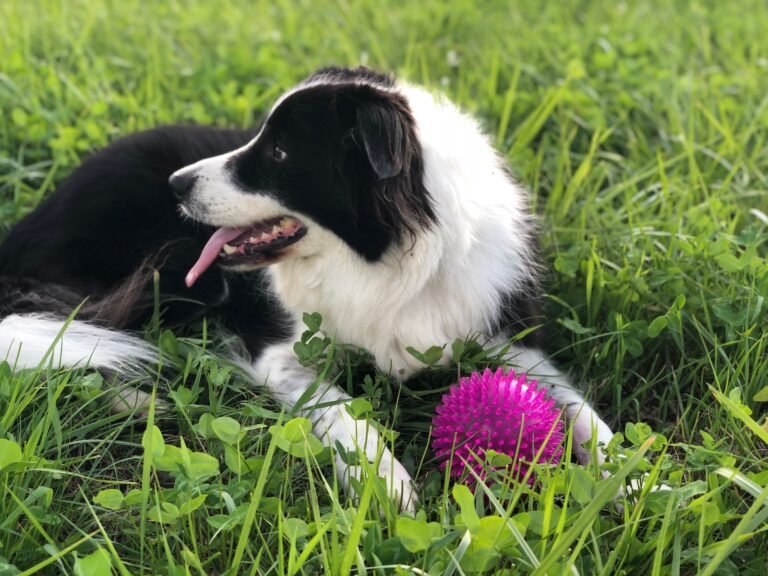
Drop Ears: The ears hang down flat against the head, similar to a Golden Retriever. While less common in the show ring, this is frequently seen in working farm dogs.
Function Over Form: Working vs. Show Standards If you are worried that your dog’s ears are “wrong” because they haven’t stood up, you can relax. The American Border Collie Association (ABCA), the primary registry for working Border Collies in North America, explicitly states that there is no standard for physical appearance. For working dogs, the only thing that matters is herding ability; whether the ears are pricked, flopped, or mismatched is irrelevant to their value as a sheepdog.
However, if you are looking at the breed standard for conformation shows, preferred ears are semi-erect or erect. Full drop ears are not considered “standard” for the show ring, but they are completely healthy and normal for the breed.
Ultimately, unless you plan to compete in conformation events, there is no “incorrect” ear for a Border Collie. A dog with one ear up and one ear down (often called “party ears”) is just as purely Border Collie as one with perfectly tipped ears.
Why Do Some Border Collie Ears Never Stand Up?
You’ve waited through the eight-week mark, endured the teething fluctuations, and reached the seven-month milestone—but your Border Collie’s ears are still down. Why? While it can be disappointing if you had your heart set on that pricked look, biology usually has a simple explanation.
Genetics (The Blueprint)
Genetics are the single most influential factor in ear carriage. The genes controlling ear shape and cartilage stiffness are complex and polygenic, meaning multiple genes are involved. If both of your puppy’s parents had drop ears, the likelihood of your puppy having erect ears is very low. Even if one parent had pricked ears, recessive genes from grandparents can result in a litter with completely mixed ear types. According to research on canine morphology and domestication, the “floppy ear” trait is actually a byproduct of domestication (often called “domestication syndrome”), where selection for tame behavior inadvertently selected for softer cartilage.
Heavy “Ear Leather”
In dog breeding circles, the term “ear leather” refers to the actual flap of the ear (the pinna). Some Border Collies are born with thicker, heavier ear leather than others.
Thickness: Thick, fleshy ears are physically heavier. The muscles at the base of the ear simply may not be strong enough to lift the weight of the cartilage, gravity wins, and the ears stay dropped.
Size: Similarly, exceptionally large or long ears are more difficult to lift than smaller, triangular ears.
Trauma or Injury
While less common, it is possible for environmental factors to permanently damage the ear carriage. If a puppy’s ears are pulled roughly during play, or if they suffer from an aural hematoma (a blood blister in the ear flap) due to shaking their head or scratching, the cartilage can break or scar. This damage can prevent the ear from standing up properly, leading to a permanent “crinkle” or drop.
Can You Make Them Stand Up? (Intervention & Myths)
When a Border Collie puppy reaches the 5-month mark with floppy ears, owners often feel the urge to intervene. A quick Google search will reveal forums filled with advice on supplements and tape, but it is crucial to separate the helpful tips from the harmful myths.
The Calcium Myth (And Why to Avoid It)
A persistent old wives’ tale suggests that adding calcium supplements (like yogurt, cheese, or pills) to a puppy’s diet will force the ears to stand. While cartilage does need nutrients, modern commercial puppy foods are strictly balanced for optimal growth.
Veterinarians warn that adding calcium to a balanced diet can be dangerous. According to VCA Hospitals, excess calcium in growing puppies can lead to serious skeletal abnormalities and orthopedic diseases like hypertrophic osteodystrophy. Unless your vet prescribes it for a deficiency, keep the calcium pills away; they are more likely to hurt your dog’s joints than help their ears.
The Role of Chewing
A safer, natural way to encourage ear lift is to encourage chewing. The muscles that control the ears are closely connected to the jaw muscles. Providing appropriate long-lasting chews (like bully sticks or rubber toys) can help strengthen the temporalis muscle, which may provide just enough extra stability at the base of the ear to help them pop up during those critical developmental months.
Taping and Gluing (The “Posting” Method)
Some breeders and show enthusiasts use “posting”—taping or gluing the ears into the desired position—to train the cartilage while the puppy is teething.
How it works: Support (like moleskin or medical tape) is applied to the ear to hold it upright or tipped while the cartilage hardens.
The Reality: This is a purely aesthetic procedure. It does not benefit the dog’s health. If done incorrectly, tape can trap moisture, leading to yeast infections or skin irritation.
The Recommendation: If you aren’t showing your dog, most experts recommend letting nature take its course. A dog with floppy ears is just as happy, healthy, and capable as one with pricked ears. If you are dead-set on taping, consult your breeder or a vet to ensure you don’t accidentally damage the ear leather.
Conclusion
If you are currently watching your five-month-old Border Collie run around with one ear up and one ear down, take a deep breath and enjoy the chaos. The journey from the floppy “button ears” of puppyhood to the final adult set of Border Collie ears is rarely a straight line.
Remember, the “teething dance” is a normal biological process. As calcium shifts to build strong teeth, those ears might droop, but it is often just a temporary phase. By the time your dog reaches seven to eight months old, the show is usually over, and what you see is likely what you will get.
Whether your dog ends up with the intense “radar” look, the classic semi-erect tip, or the sweet, soft expression of drop ears, it doesn’t change who they are. They are still the smartest dog breed in the world, capable of incredible feats of agility and companionship. So, put down the masking tape, skip the calcium supplements, and snap a few photos of the “wonky” stage—you will miss it when it’s gone.
Frequently Asked Questions (FAQ)
Q. Is it bad if my Border Collie’s ears don’t stand up?
A. Absolutely not. Unless you are competing in AKC conformation shows, drop ears are perfectly acceptable. In fact, many working sheepdogs have drop ears. It is a cosmetic trait and does not affect the dog's hearing or health. However, note that dogs with drop ears may be slightly more prone to ear infections due to less airflow, so regular ear cleaning is recommended.
Q. Why is one of my puppy’s ears standing and the other is not?
A. This is affectionately known as "wonky ears" or "party ears." It is extremely common during the 3-to-6-month teething phase. The muscles and cartilage develop at slightly different rates, or the dog may chew more on one side of their mouth, exercising the muscles on that side more than the other.
Q. Should I tape my Border Collie’s ears?
A. Most veterinarians and behaviorists advise against it for pet owners. Taping is strictly for aesthetic purposes and can be uncomfortable for the dog if done incorrectly. It can also trap moisture and cause skin infections. If you are not showing your dog, it is best to embrace their natural look.