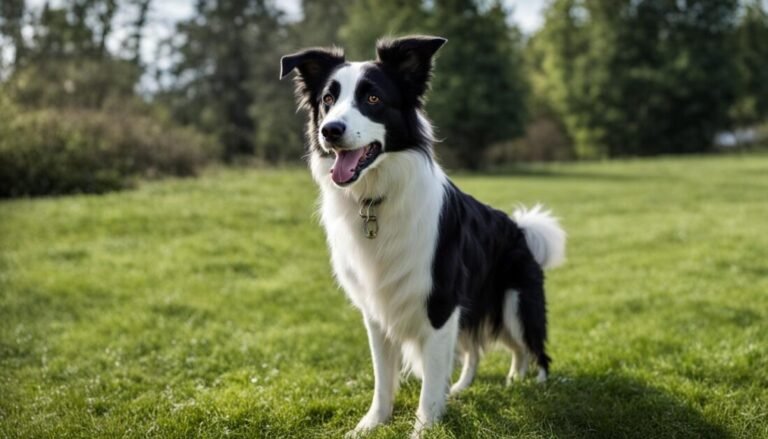
Are Border Collies Friendly? The Ultimate Temperament Guide for New Owners
Many prospective owners ask, “Are Border Collies friendly?”, especially after seeing videos of their intense herding stares or hearing stories about ankle-nipping behaviors. It is a valid question for anyone considering bringing the world’s smartest dog into their home.
The short answer is yes, Border Collies are generally friendly, highly affectionate, and intensely loyal to their immediate families. According to the American Kennel Club standard, they are energetic and affectionate, though sometimes reserved with strangers. Their temperament is complex; they are not typically “everyone’s best friend” in the same way a Golden Retriever might be. Their ingrained instincts mean their social behavior often requires management.
It is crucial to remember that this breed was developed as an indefatigable working dog in the Anglo-Scottish border country. As noted by the Border Collie Society of America, their history is rooted in intense mental and physical labor. Therefore, a Border Collie’s friendliness is often directly tied to their fulfillment; a bored, under-stimulated dog is rarely a relaxed, sociable companion.
In this guide, we will move beyond simple “yes or no” answers. We will explore how their working heritage shapes their social interactions, analyze their behavior with children and strangers, and provide actionable tips for raising a well-adjusted, social dog.
Understanding the Border Collie Temperament
To truly understand if Border Collies are friendly, you must first understand what they were built to do. Unlike lap dogs bred solely for companionship, Border Collies are independent thinkers designed to control livestock in rugged terrain. This history creates a temperament that is intense, alert, and often misunderstood by new owners.
Bred to Work, Not Just Cuddle
A Border Collie’s primary drive is work. According to Stanley Coren’s research in Psychology Today, they are ranked as the smartest dog breed, capable of learning a new command in under five repetitions. While this intelligence is impressive, it also means they require constant mental engagement. A Border Collie without a job is not just bored; they can become anxious and destructive, which is often mistaken for an “unfriendly” or neurotic temperament.
Herding Instinct vs. Unfriendliness
The biggest confusion for new owners is distinguishing between herding behavior and aggression. Two specific traits often alarm people but are actually genetic tools for moving sheep:
The “Stare” (The Eye): Border Collies are famous for their intense gaze. In a working environment, this “eye” is used to intimidate stubborn sheep into moving without physical contact. In a home, however, a Border Collie might stare intensely at a guest, a child, or another dog. This can feel threatening or rude to humans, but it is rarely a sign of impending attack; it is simply the dog attempting to “control” the situation. The American Border Collie Association notes that this power of the eye is a fundamental breed characteristic, not a personality flaw.
The Nip: You may notice your Border Collie nipping at the heels of running children or bicycles. This is not a “bite” in the aggressive sense; it is a modified herding technique. In the field, a quick nip at a cow’s heel gets it moving. In the kitchen, it usually results in a crying toddler. This requires training to redirect, but it does not mean the dog is mean-spirited.
Sensory Sensitivity
Because they are bred to notice the slightest movement of a wayward sheep from hundreds of yards away, Border Collies are hypersensitive. They react quickly to loud noises, chaotic environments, or angry tones. A chaotic household can make a Border Collie withdraw or snap defensively, unlike a Golden Retriever who might happily sleep through the noise.
Are Border Collies Friendly With Strangers?
When asking “Are Border Collies friendly with strangers?”, the answer is usually “polite, but reserved.” Unlike the “social butterfly” breeds such as Labrador Retrievers—who tend to view every stranger as a friend they haven’t met yet—Border Collies are naturally discerning.
Natural Aloofness
The Border Collie is often described by breed experts as “aloof.” This doesn’t mean they are unfriendly or aggressive; it simply means they are indifferent to people outside their inner circle. According to Hill’s Pet Nutrition breed profile, Border Collies are typically protective of their family and territory. They often ignore strangers unless properly introduced, preferring to keep their attention focused on their handler or “their” person.
The Watchdog Role
Because they were bred to guard and control flocks in remote areas, they make excellent watchdogs. They are highly alert and will almost always bark to announce the arrival of a delivery driver or a guest. However, it is important to distinguish between a watchdog and a guard dog.
Watchdog: Will bark to alert you. (Border Collies do this).
Guard Dog: Will physically intervene or attack to protect. (Border Collies rarely do this).
Most Border Collies will bark at the door, but once the owner welcomes the guest inside, the dog will usually settle down, provided they have been socialized.
Warming Up
New owners should expect a “warm-up” period. If you have guests over, a Border Collie may not jump into their laps immediately. They often prefer to observe from a distance for the first 10 to 15 minutes. It is best to instruct guests to ignore the dog initially—no direct eye contact or reaching over the head. This allows the Border Collie to sniff and investigate on their own terms, which usually leads to a friendlier interaction faster.
Are Border Collies Friendly With Children?
This is one of the most critical questions for families. The answer is complex: Border Collies can be fantastic companions for the right kids, but they can be a challenging mix for others. The key lies in understanding how the dog’s instincts interact with a child’s behavior.
The Good News: Tireless Playmates
For older, active children (think ages 8 and up), a well-trained Border Collie can be a dream come true. These dogs have boundless energy and will happily spend hours playing fetch, learning complex tricks, or running around the yard. They are rugged, intelligent, and eager to participate in whatever game the child invents. As noted by the American Kennel Club’s breed page, they are affectionate and can form incredible bonds with the children in their family.
The Risk Factors: Herding the Kids
The primary conflict arises with toddlers or young children who move erratically. A screaming, running child can trigger a Border Collie’s innate “chase and control” instinct. To a Border Collie, a running toddler looks a lot like a stray lamb that needs to be rounded up.
This often manifests as:
Heel Nipping: The dog may nip at the child’s ankles to stop them from running. This can be terrifying for a small child.
Intense Staring: The dog may use its “eye” to try and control the child’s movements, which can seem intimidating.
Barking and Circling: The dog may circle the child while barking to keep them in one place.
This is not aggression born of malice; it is a misapplied working instinct. However, the result—a frightened or nipped child—is the same.
Safety Guidelines for Families
If you have a Border Collie and young children, strict management is required.
Zero Unsupervised Time: Never leave a young child and a Border Collie alone together. Interactions should always be actively managed by an adult.
Teach the Children: Kids must be taught how to behave around the dog. Rules include:
No running and screaming in the house.
No staring the dog directly in the eye.
Do not sneak up on or startle the dog, especially when it’s sleeping or eating.
Create a Safe Space: The dog needs a crate or a designated room where they can escape the chaos of children and decompress.
For families with very young children, many experts, including those at the Border Collie Society of America’s Rescue, advise careful consideration or waiting until the children are older before adopting this breed.
Are Border Collies Friendly With Other Pets?
If you already have a furry family member, introducing a Border Collie requires understanding the crucial difference between “dog aggression” and “work drive.” Border Collies are not typically aggressive toward other animals, but their intense herding instincts can create friction if not managed.
Dog-to-Dog Interactions
At the dog park, the Border Collie is often the odd one out. While Golden Retrievers and Boxers may be wrestling and rolling on the ground, the Border Collie is frequently standing by their owner, staring intensely at a tennis ball.
“Dog Snobs”: Many owners joke that their Border Collies are “dog snobs.” They often prefer interacting with their humans rather than other dogs. According to the American Kennel Club’s breed profile, while they are affectionate with their families, they can be reserved with strangers—a trait that often extends to strange dogs as well. They typically prefer functional play (fetch/agility) over social play.
The “Fun Police”: Trouble can arise when other dogs start running. A Border Collie’s instinct is to control movement. If a group of dogs starts chasing each other, a Border Collie may attempt to “herd” the pack—barking, cutting them off, or nipping at their heels to stop the chaos. This can spark fights with dominant breeds who do not appreciate being controlled.
Cats and Small Animals
Can Border Collies live with cats? Yes, but the “prey drive” factor is significant.
The Motion Trigger: If a cat runs, the Border Collie will chase. It is almost a reflex. However, if the cat stands its ground, the Border Collie often loses interest or treats the cat with wary respect.
Training is Key: To have a peaceful multi-pet household, you must teach the “Leave It” command. Early socialization is critical to help them distinguish between “family members” and “livestock.”
Safety First: When introducing a Border Collie to a cat, slow and supervised interactions are vital. American Humane recommends separating the animals initially and allowing them to smell each other before seeing each other, ensuring the cat always has an escape route.
3 Reasons a Border Collie Might Seem “Unfriendly”
If a Border Collie is growling at guests or snapping at family members, it is rarely because they are “bad dogs.” More often, their behavior is a symptom of an unmet need. Because this breed is so high-octane, their lifestyle requirements are non-negotiable. When these needs aren’t met, their friendly nature can quickly turn into reactive or neurotic behavior.
1. Lack of Exercise
A Border Collie was bred to run 50 miles a day over Scottish hills. A 15-minute walk around the block is simply not enough. When a Border Collie has pent-up energy, it manifests as frustration. This frustration often looks like aggression: barking incessantly at passersby, lunging on the leash, or destroying furniture. As the PDSA (People’s Dispensary for Sick Animals) highlights in their breed guide, high-energy breeds that don’t get enough exercise can easily develop behavioral problems that are mistaken for a “mean” temperament.
2. Lack of Mental Stimulation
You cannot tire out a Border Collie with physical exercise alone; you must tire out their brain. Without a “job” (puzzles, training, agility), they will invent their own jobs. Unfortunately, these self-assigned jobs are usually annoying or scary, such as obsessively guarding a toy, chasing shadows, or staring down other pets. The American Kennel Club (AKC) notes that boredom is a leading cause of destructive and reactive behavior in intelligent dogs. A mentally stimulated Border Collie is calm and friendly; a bored one is anxious and edgy.
3. Poor Socialization
Border Collies are naturally suspicious of the unknown. If they are not exposed to a wide variety of people, sounds, and environments during their critical puppyhood window (roughly 3 to 14 weeks), that natural suspicion turns into fear. A fearful dog is a dangerous dog because they may snap to make the scary thing (a stranger or a child) go away. The American Veterinary Medical Association (AVMA) emphasizes that proper socialization is the single most important step in preventing fear-based aggression later in life.
How to Socialize a Border Collie for Maximum Friendliness
Because Border Collies are genetically wired to be cautious and controlling, they do not typically “figure out” how to be social on their own. They need consistent guidance to learn that the world is a safe place. Socialization for this breed is not just about meeting other dogs; it is about controlled exposure to the unpredictable nature of the human world.
The Critical Window
The most important work happens early. The “socialization window” for puppies generally closes around 14 to 16 weeks of age. During this time, your puppy is soaking up information about what is “normal.” The American Kennel Club advises in their guide on puppy socialization that experiences during this period permanently shape your dog’s personality and their ability to handle stress as an adult. If a Border Collie isn’t exposed to variety now, they may view new things as threats later.
Exposure Checklist for Border Collies Since this breed is highly sensitive to motion and sound, you should prioritize these specific exposures:
Wheels: Skateboards, bicycles, and strollers (to prevent the development of heel-nipping habits).
Environmental Noises: Vacuum cleaners, city traffic, and sirens.
Diverse People: People wearing hats, sunglasses, high-visibility vests, or carrying umbrellas.
Handling: Frequent, gentle touching of their paws, ears, and mouth to prepare them for stress-free veterinary visits.
Positive Reinforcement: The Confidence Builder
Border Collies are “soft” dogs, meaning they are highly sensitive to their handler’s emotions. Harsh physical corrections can shatter their confidence and lead to fear-based aggression. Instead, use reward-based training to build a friendly association with the unknown. Pairing new experiences with rewards—like high-value treats or a favorite toy—is the most effective way to prevent the anxiety that leads to aggression.
“A Job to Do”: Building Social Confidence
A confident Border Collie is a friendly Border Collie. Giving your dog a “job” during social outings focuses their intense energy and reduces their need to “herd” the environment.
Agility Training: Navigating obstacles builds physical and mental coordination.
Disc Games: Directs their herding “eye” toward a flying disc rather than moving cars or children.
Public Manners: The PDSA recommends in their guide on socialising your dog keeping social sessions short and positive to ensure the dog remains calm and happy in public spaces.
Conclusion: The Verdict on Border Collie Friendliness
So, are border collies friendly? The final verdict is that they are incredibly affectionate and devoted dogs, but they express that friendliness through loyalty rather than social excitement. While a Labrador might greet every stranger with a wagging tail, a Border Collie’s friendliness is often an “exclusive” gift reserved for their inner circle.
When their high demands for physical exercise and cognitive challenges are met, they are among the most intuitive and sensitive companions in the canine world. As the American Kennel Club notes in their Border Collie Breed Profile, they are “remarkably sensitive” to their owners’ every cue, making them the ultimate partner for an active individual.
Ultimately, a Border Collie isn’t just a pet; they are a lifestyle. If you can provide the mental “work” they crave, you will be rewarded with a bond that is deeper and more attentive than almost any other breed.
Frequently Asked Questions (FAQ)
Q. Are Border Collies naturally aggressive?
A. No, they are not naturally aggressive. However, their intense herding instinct is often mistaken for aggression. Nipping at heels or staring intensely is a working behavior, not a sign of a "mean" dog. Without proper socialization, they can become fearful, which may lead to defensive snapping.
Q. Do Border Collies bark a lot at strangers?
A. They are excellent watchdogs and will certainly bark to alert you of someone's arrival. While they aren't usually nuisance barkers, they use their voice to communicate and "guard" their territory.
Q. Are they good for first-time dog owners?
A. Generally, Border Collies are considered a "pro-level" breed. Their extreme intelligence and energy can overwhelm someone not prepared for the time commitment they require.
Q. Can a Border Collie live in an apartment and still be friendly?
A. It is possible, but difficult. An apartment-dwelling Border Collie that doesn't get 1–2 hours of high-intensity exercise daily can become frustrated and anxious, which negatively impacts their temperament.
Q. Do they ever stop herding their family members?
A. The instinct never fully disappears, but it can be redirected. Through consistent training and providing "jobs" like frisbee or agility, you can significantly reduce the amount of herding they do in the house.