Hip Dysplasia Symptoms in Border Collies: The Top 7 Signs and Prevention Techniques
The “Invisible” Pain of Hip Dysplasia Symptoms
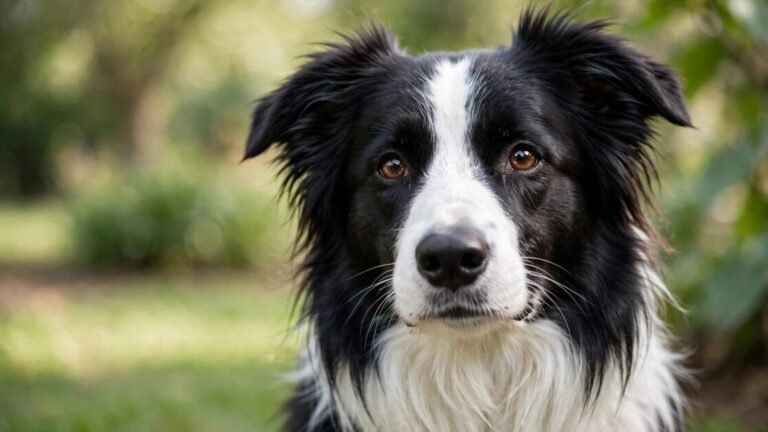
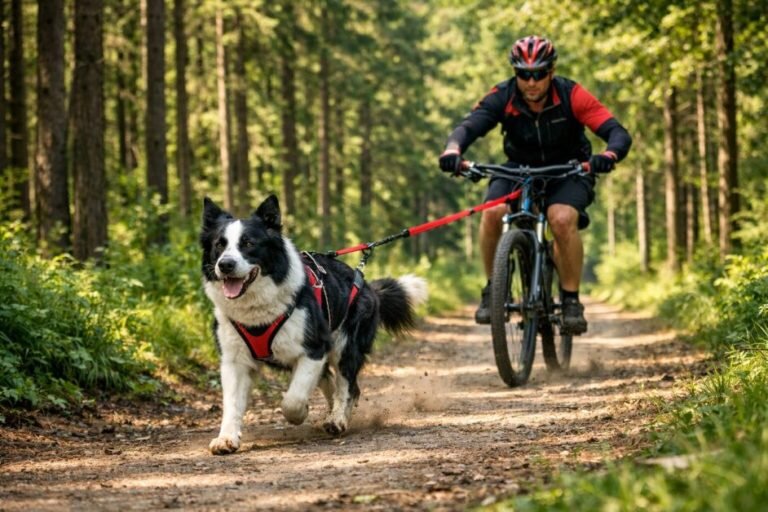
Spotting early Hip Dysplasia Symptoms in Border Collies can be tricky because these high-energy herding dogs are absolute experts at hiding their physical pain. Known across the globe for their intense drive, athletic agility, and incredible intelligence, Border Collies will gladly sprint after a frisbee or chase a ball all day long—even when their joints are secretly aching.
Unfortunately, this unstoppable work ethic often masks the subtle warning signs of canine hip dysplasia, a common genetic condition where the ball-and-socket hip joint doesn’t fit together smoothly. When the joint grinds instead of gliding smoothly, constant friction wears down protective cartilage, eventually leading to painful inflammation, stiffness, and early-onset arthritis.
Catching small changes in your dog’s gait or energy level early on makes a massive difference in protecting their long-term joint health. According to veterinary guidelines from organizations like the Orthopedic Foundation for Animals, proactive management and early intervention are key to keeping your favorite furry athlete running fast and living pain-free for years to come.
Understanding Canine Hip Dysplasia
To really understand how this condition impacts your dog, it helps to look at how a healthy hip joint is supposed to function. The hip operates as a classic “ball-and-socket” joint. In a healthy Border Collie, the smooth, rounded top of the thigh bone (the femoral head) fits snugly inside the cup-shaped socket of the pelvis (the acetabulum), supported by strong ligaments and smooth cartilage.
When a dog develops hip dysplasia, the structural stability of the joint breaks down due to excessive looseness, known medically as joint laxity. Instead of gliding smoothly during movement, the ball shifts around unnaturally inside the socket. Over time, this constant rattling creates micro-trauma, wearing away the protective cartilage. As detailed by the American College of Veterinary Surgeons, this continuous friction eventually leads to bone rubbing against bone, painful inflammation, bone spur development, and progressive osteoarthritis.
Why Are Border Collies Predisposed?
While any dog breed can develop joint issues, Border Collies face a unique combination of genetic and behavioral factors that increase their vulnerability:
Genetic Inheritance: Hip dysplasia is primarily a polygenic inherited condition passed down through breeding lines.
Rapid Adolescent Growth: During rapid puppy growth spurts—typically between 4 and 12 months of age—a dog’s bones, tendons, and muscles can develop at uneven rates. Veterinary research from the Cornell University College of Veterinary Medicine highlights that excessive nutritional intake and rapid weight gain during this developmental window can dramatically worsen joint instability in genetically predisposed dogs.
High-Impact Athletics: Border Collies are natural high-flyers built for hard work. Sharp directional pivots, sudden stops on sheep-herding fields, and repeated high leaps for frisbees apply significant mechanical strain to the pelvic structure, accelerating wear and tear on unstable joints.
The Top 7 Signs of Hip Dysplasia in Border Collies
Because Border Collies have an incredible tolerance for discomfort when they’re focused on a job or play, catching joint pain requires careful observation. Here are the top 7 hip dysplasia symptoms to watch out for in your dog:
1. The “Bunny Hop” Gait:
When sprinting across the yard or running uphill, a dog with painful hips will often push off using both hind legs together rather than using a natural, alternating stride. This hopping motion distributes weight across both legs to lessen the strain on a single joint.
2. Hesitation with Vertical Movement:
If your jump-obsessed pup suddenly pauses or shows anxiety before leaping into an SUV, climbing stairs, or catching a disc, their hips are likely absorbing too much impact.
3. Morning Stiffness and Difficulty Standing:
Watch how your dog moves after waking up from a nap. Taking extra time to rise from their bed, walking with stiff hind legs, or swaying side-to-side during their first few steps are major indicators of early joint inflammation, as detailed in joint guides from PetMD.
4.Loss of Stride and Decreased Drive:
A sudden loss of stamina in an otherwise high-drive working dog is a major red flag. Quitting fetch early, sitting down mid-walk, or lagging behind on hikes usually means joint friction has become uncomfortable.
5. Thigh Muscle Atrophy:
To avoid hip pain, dogs naturally shift their body weight onto their front legs. Over time, this causes the muscles in their back thighs to shrink (atrophy), making their rear legs look thin while their front shoulders appear unusually broad and bulky.
6. Narrow Rear Stance:
When standing still, a dog experiencing hip joint looseness will often position their hind feet extremely close together. When walking, this stance produces a distinct wobbly or swaying motion in the pelvis.
7. Audible Joint Popping or Clicking:
In more advanced cases of joint laxity, you may actually hear or feel a faint clicking sound coming from the hip area as your dog stands up or takes a step. According to medical overview resources like the Merck Veterinary Manual, this sound occurs as the loose head of the femur shifts in and out of the hip socket.
Practical Prevention & Management Techniques
Even if your Border Collie carries a genetic tendency toward joint laxity, you can take proactive steps to minimize joint wear, relieve discomfort, and keep them active for years to come.
Keep Your Dog Lean:
Extra weight places continuous physical pressure on unstable hip joints. Maintaining a lean Body Condition Score (BCS)—where you can easily feel their ribs and see a clear waistline—drastically reduces joint wear. The American Animal Hospital Association emphasizes that keeping pets at an ideal weight is one of the most effective ways to preserve mobility and extend their lifespan.
Switch to Low-Impact Exercise:
High-impact activities on hard surfaces (like high frisbee catches or sharp agility turns) should be limited while your puppy’s growth plates are closing, usually around 12 to 14 months of age. Try low-impact alternatives like swimming, controlled leash walks, and scent work games that challenge their brain without punishing their hips.
Incorporate Targeted Joint Supplements:
Adding joint supplements to your dog’s diet helps protect cartilage and soothe tissue inflammation. Look for veterinary-recommended ingredients like Glucosamine, Chondroitin Sulfate, Green-Lipped Mussel, and Omega-3 fatty acids (EPA/DHA), which resources like the AKC Canine Health Foundation highlight for supporting structural joint health.
Prioritize Genetic Screening:
If you’re looking for a new puppy, choose reputable breeders who perform certified health screenings on parent dogs. Objective evaluations like OFA or PennHIP radiographs measure joint tightness before dogs are bred, helping reduce the transmission of hip dysplasia across generations, as detailed on the OFA Hip Dysplasia Overview.
Modify Your Home Environment:
Slippery hardwood or tile floors force a dog with sore hips to constantly tense their muscles to keep from sliding. Laying non-slip rug runners across main walkways, providing a supportive orthopedic memory foam bed, and using car ramps will make daily life much easier on your pup’s body.
Diagnostic Options & Veterinary Care for Hip Dysplasia in Border Collies
If you notice any of these warning signs in your Border Collie, scheduling a trip to the veterinarian is the best first step. Getting an official diagnosis early helps you create a customized care plan before permanent joint damage sets in.
What to Expect at the Veterinary Clinic
During an orthopedic examination, your vet will perform a full physical assessment to check your dog’s range of motion and overall joint flexibility:
Physical Manipulation: The vet will gently flex and extend your dog’s hind legs to check for tightness, grittiness, or abnormal joint shifts—such as checking for joint looseness using the Ortolani test.
Diagnostic X-Rays: Sedated radiographs are essential to confirm hip dysplasia. X-rays allow vets to inspect the exact shape of the femoral head and socket, measure joint coverage, and check for early bone spurs or cartilage loss.
Understanding Treatment Options for Hip Dysplasia in Border Collies
Depending on your dog’s age, weight, and the severity of joint wear, your veterinarian will recommend either conservative medical management or surgical correction:
Conservative Non-Surgical Care: For mild-to-moderate cases, non-invasive therapies can bring huge relief. Vets often prescribe targeted non-steroidal anti-inflammatory drugs (NSAIDs) to manage pain and reduce joint swelling. Combining medications with targeted physical rehabilitation—like underwater treadmill therapy and gentle range-of-motion exercises—helps rebuild supporting thigh muscles safely, as outlined in mobility guides from the American Veterinary Medical Association.
Surgical Interventions: In severe cases or young dogs with extreme joint instability, surgery may offer the best path toward a pain-free life. Common procedures include Total Hip Replacement (THR)—which replaces the damaged natural joint with medical-grade implants—and Femoral Head Ostectomy (FHO), a procedure where the ball portion of the joint is removed so natural scar tissue creates a comfortable “false joint,” as detailed by the American College of Veterinary Surgeons.
Conclusion
Living with a high-energy Border Collie is one of the most rewarding experiences a dog lover can have, but watching out for their physical health requires a keen eye. Because these incredible dogs have such high pain tolerance and unstoppable working drive, noticing subtle Hip Dysplasia Symptoms early on is the best gift you can give your pet. By keeping them at a lean weight, choosing low-impact activities during puppyhood, adding joint-supporting supplements, and working closely with your veterinarian, you can help protect your pup’s joints and preserve their playful spirit for many years to come.
Frequently Asked Questions (FAQ)
Q: Can a Border Collie still live a happy, active life with hip dysplasia?
A: Yes, absolutely! While hip dysplasia is a lifelong condition, proper weight control, targeted physical therapy, joint supplements, and pain management allow many dogs to live full, comfortable lives. You can learn more about managing working breeds through resources at the AKC Canine Health Foundation.
Q: Is hip dysplasia completely curable, or can it only be managed?
A: Non-surgical treatments (like NSAIDs, physical therapy, and joint supplements) manage symptoms and slow down joint wear, but they do not reverse structural bone changes. Surgical options, such as Total Hip Replacement (THR) or Femoral Head Ostectomy (FHO), are the only procedures that structurally reconstruct or replace the damaged joint.
Q: Can exercise make hip dysplasia worse for my dog?
A: High-impact, repetitive jumping and sudden hard pivots on hard surfaces can worsen joint wear and inflammation. However, complete rest is also bad because strong thigh muscles are needed to support the hip socket. The key is switching to controlled, low-impact exercise like leash walking and swimming, as recommended by veterinary health guides at VCA Animal Hospitals.
Q: Are joint supplements enough to prevent hip dysplasia on their own?
A: Supplements like Glucosamine and Omega-3 fatty acids are great for protecting cartilage and reducing joint inflammation, but they cannot completely prevent a condition that is heavily driven by genetics. They work best as one part of a complete strategy that includes weight management and careful exercise routines.