How Big is a Border Collie? Everything New Owners Need to Know
Introduction to How Big is a Border Collie?
If you find yourself wondering, “How big is a Border Collie?” as you scroll through cute puppy pictures, you are definitely not the only future dog owner asking this question! Border Collies are famous worldwide for their boundless energy, agility, and Einstein-level intellect, but figuring out their physical footprint is just as important as knowing how to keep them healthy and active, as noted by veterinary experts at PetMD.
Knowing your pup’s expected full-grown size is super important for any new owner. It helps you pick out the right-sized crate, figure out your monthly dog food budget, and decide if your living space and lifestyle are a good match for your new best friend.
In this guide, we’ll dive into exactly what you need to know about your dog’s growth. We’ll cover the average height and weight according to American Kennel Club (AKC) breed standards, walk you through their puppy growth timeline, and talk about the everyday space requirements for these active, medium-sized herding dogs. Let’s get started!
The Short Answer: How Big Do Border Collies Get?
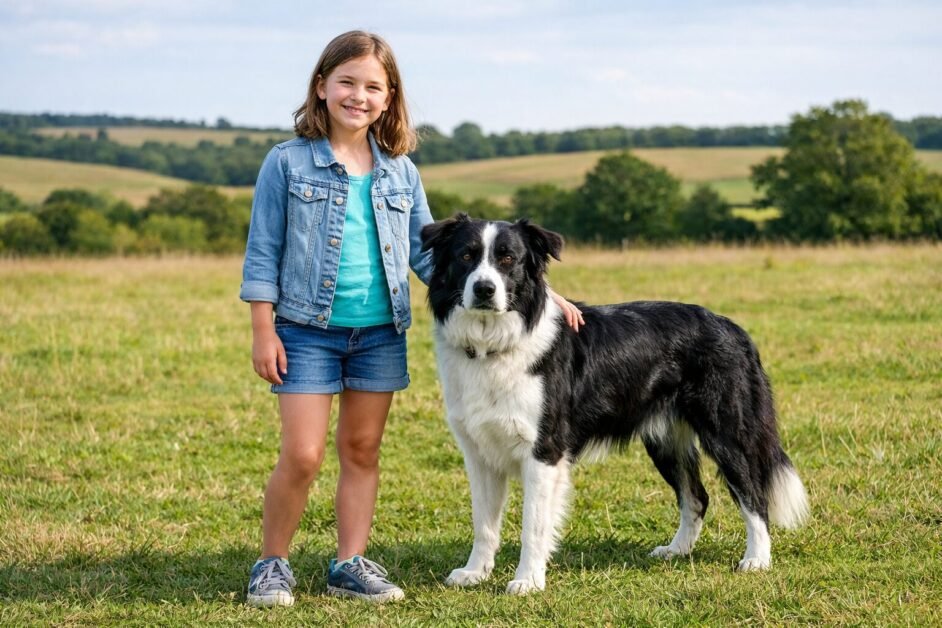
Border Collies are officially classified as a medium-sized breed. If you are looking for the quick numbers on the subject of how big is a Border Collie to see if one of these amazing dogs is the right fit for your space, you can expect a fully grown Border Collie to weigh somewhere between 30 and 55 pounds. When it comes to height, they usually stand between 18 and 22 inches tall at the shoulder.
According to the official American Kennel Club breed standard, this balanced, athletic frame is exactly what allows them to be so incredibly agile. Their body is built for pure endurance and effortless movement, which is why they stay fairly lean and never look overly bulky.
That gives you the basic idea, but there is actually a little more to the story when you start looking at the differences between males and females, or the specific family lines your puppy comes from.
How Big is a Border Collie Male vs. Female: Breaking Down the Differences
When you look at a group of Border Collies, you might notice some variation in their sizes, and a lot of that comes down to whether they are male or female. Just like with most dog breeds, the boys and girls have slightly different growth expectations.
Male Border Collies are generally on the larger end of the spectrum. An adult male usually stands between 19 and 22 inches tall at the shoulder. When it comes to their adult weight, you can expect a male to tip the scales anywhere from 35 to 55 pounds. They tend to have a slightly broader chest, a thicker neck, and a more muscular overall build, which gives them a somewhat sturdier appearance.
Female Border Collies, on the other hand, usually stay a bit smaller and more petite. A fully grown female typically measures about 18 to 21 inches in height. Their weight generally falls between 30 and 45 pounds. Because of this lighter weight and slightly narrower frame, females often look a bit more delicate and can be incredibly light on their feet when running through an agility course or your backyard.
The main takeaway here is that while the size difference between the sexes is not massive, male Border Collies will usually carry a little extra height and bulk compared to the females.
The Border Collie Growth Timeline (What to Expect)
Watching a Border Collie puppy grow up is a super fun and fast-paced adventure. If you are tracking your puppy’s growth, it helps to know the general milestones they will hit along the way so you know what to expect.
0 to 8 Weeks: The Potato Stage
During their first two months, these pups are basically little furry potatoes. They experience rapid early development while nursing and starting to transition to solid puppy food. By the time they are eight weeks old and ready to leave the breeder to go to their new homes, most Border Collie puppies weigh somewhere between 3 and 6 pounds.
3 to 6 Months: The Lanky Teenager Phase
Get your camera ready because this is the period of fastest growth, and it is also the most awkward and hilarious stage! Around this time, your puppy might look completely disproportionate with super long legs, an uncoordinated body, and giant ears that they haven’t quite grown into yet. You will notice them packing on pounds quickly as their body races toward its adult height.
6 to 12 Months: Slowing Down
As they hit the six-month mark, that crazy, rapid growth spurt starts slowing down significantly. Between six and twelve months of age, most Border Collies will reach their full adult height. However, even though they are as tall as they will get, they will still look a little narrow or skinny because they are lacking their final adult muscle mass and the full fluffiness of their adult double coat.
12 to 24 Months: Filling Out
Even though your pup might stop getting taller around their first birthday, they are not completely finished growing. During their second year, you will see their chest start to broaden and their adult muscles fully develop. This is when they finally fill out, reach their final adult weight, and officially transform from a lanky teenager into a solid, athletic, and agile herding dog.
3 Factors That Influence How Big is a Border Collie
While the averages give you a great starting point, every dog is unique. If you are wondering why your pup might end up a little larger or smaller than the typical Border Collie size, it usually comes down to three main factors.
1. Genetics and Lineage
Genetics are the biggest piece of the puzzle when it comes to your dog’s final size. Border Collies are generally bred for two different purposes, and this creates a noticeable split in how they look. Show lines are bred to meet strict appearance standards, so these dogs are often more uniform in size, have heavier coats, and feature a slightly stockier build. On the flip side, working lines are bred purely for their herding skills and athleticism. Because breeders of working dogs only care about how well the dog can herd sheep, working-line dogs come in a huge variety of shapes, sizes, and weights.
2. Diet and Nutrition
What you feed your puppy plays a massive role in their development. It is super important to provide high-quality puppy food that gives them the right balance of nutrients. However, you want to be careful not to overfeed them. Growing too quickly or packing on too much weight as a puppy can put a lot of stress on their developing joints. Keeping them on a healthy, steady growth curve is the best way to ensure they grow up strong. You can learn more about keeping your pup on track with this puppy feeding guide from the American Kennel Club.
3. Spaying or Neutering Timing
The age at which you decide to spay or neuter your pup can actually affect their final adult height. Hormones tell a dog’s bones when to stop growing. If a dog is altered before their growth plates fully close, their bones might continue to grow a bit longer than they would have otherwise. This often results in a dog that is slightly taller and lankier.
Lifestyle & Gear: Sizing Up Your Life for a Border Collie
Knowing your dog’s physical dimensions is helpful, but how does their size actually fit into your daily life? Let’s break down the space and gear requirements you will need to prepare for.
Living Space Requirements
You might assume that such a high-energy dog needs a massive house to be happy, but that is actually a myth! Because Border Collies are a manageable medium size, they do perfectly fine in smaller homes or even apartments. It is not their physical footprint that takes up space, it is their energy. As long as you have a plan to get them outside for plenty of running, training, and mental stimulation every day, the indoor square footage of your house does not matter as much as you might think.
Finding the Perfect Crate Size
Crate training is an awesome tool for puppies and adult dogs alike, providing them with a safe, quiet den to relax in. For a fully grown Border Collie, a 36-inch dog crate is usually the sweet spot. This size gives them plenty of room to stand up, turn around comfortably, and stretch out for a nap. If you are buying a crate for a young puppy, look for one that comes with a divider panel so you can gradually increase the space as they grow. You can find more helpful sizing tips in this guide on how to choose the right dog crate from the American Kennel Club.
Sizing Up Beds and Harnesses
When you are shopping for a dog bed, winter coat, or walking harness, you will usually find that Border Collies fall right into the medium or large categories, depending on the specific brand’s sizing chart. However, you should never guess when buying gear! The absolute best way to ensure a safe, escape-proof fit for a harness is to use a soft measuring tape to measure your dog’s chest girth. Just wrap the tape around the widest part of their ribcage, right behind their front legs, and use that measurement to check the manufacturer’s size guide.
How Big is a Border Collie Conclusion
To wrap things up on the subject of how big is a Border Collie, these dogs truly are the perfect, manageable medium size. They are sturdy enough to be rugged adventure buddies on long hikes, but they are still small enough to ride in the back seat of your car without taking up all the space.
Just remember, a Border Collie’s body might easily fit on the end of your couch, but their massive personality and endless energy will definitely fill your whole house!
Frequently Asked Questions (FAQs)
Are there “Miniature” Border Collies?
No, there is no official miniature size for this breed. If you see someone advertising miniature Border Collies, they are likely breeding the runts of the litter or secretly mixing them with smaller dogs like Pomeranians or Miniature American Shepherds.
Is my Border Collie overweight or just fluffy?
ecause they have such a thick double coat, it can be tricky to tell if your pup is packing on extra pounds just by looking at them. The best way to check is by doing the rib test. Run your hands gently along the sides of their chest. You should be able to easily feel their ribs without pressing hard, but the ribs should not be visibly poking out. If you have to press through a thick layer of fat to actually feel the ribs, it might be time to adjust their food portions. You can use this guide on how to check your dog's body condition score from the American Kennel Club as a super helpful visual reference.